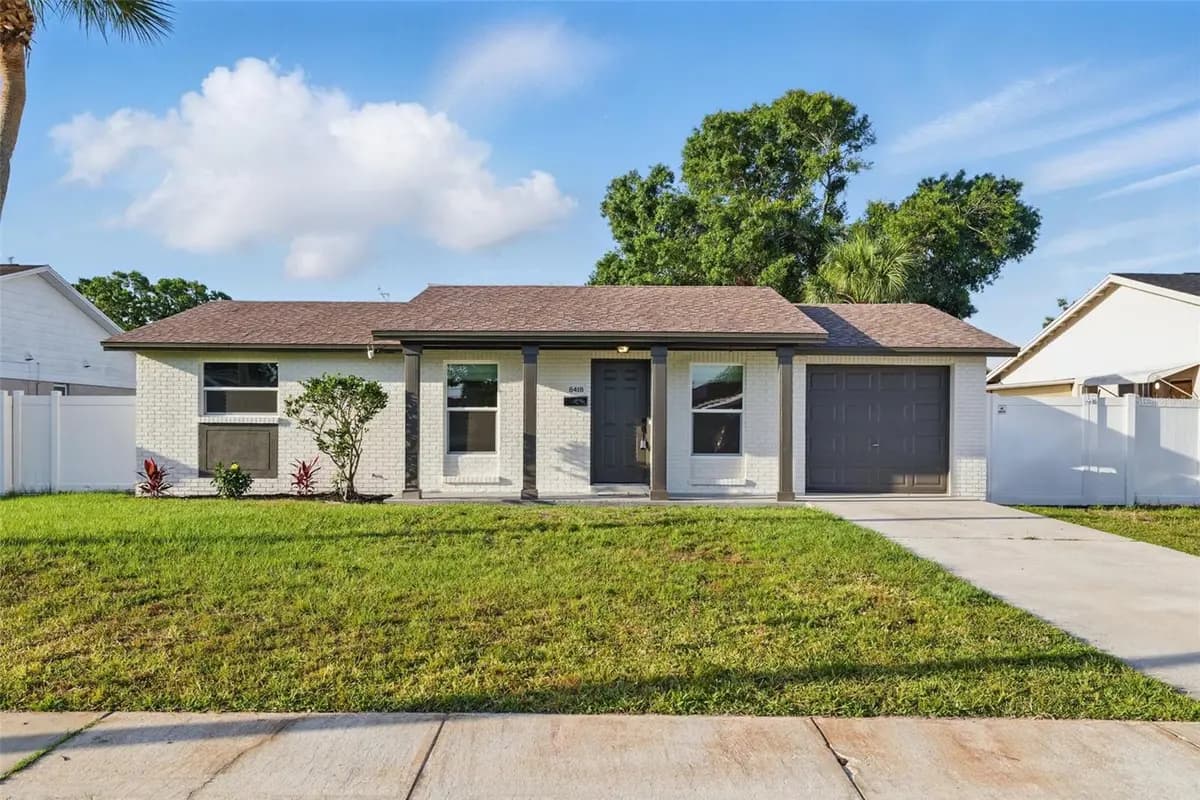
Direct answer
Direct answer
Yes. A Tampa Bay landlord can sell a tenant-occupied rental, but the lease, payment history, deposits, access rules, and promised possession must be addressed before closing. The practical choices are selling with the tenant in place, reaching a voluntary written move-out agreement, waiting until the tenancy can lawfully end, or selling directly to a buyer prepared to evaluate the occupied property. A sale does not erase tenant rights or let a seller promise vacancy without a lawful, documented plan.
Key takeaways
- Gather the signed lease, amendments, rent ledger, notices, deposit records, contact information, and maintenance history before accepting an offer.
- Decide whether the buyer is taking the property occupied or whether the contract depends on lawful vacant possession.
- Coordinate inspections and showings under the lease and Florida access rules; do not use repeated entry requests to pressure a tenant.
- Security deposits and advance rent require accurate accounting and a documented transfer at closing when the tenancy continues.
- Compare realistic seller net, timing, turnover work, vacancy risk, and contract certainty—not only the highest advertised price.
Compare the options
| Option | Best fit | Main work for the seller | Primary risk to confirm |
|---|---|---|---|
| Sell with the tenant in place | A documented tenancy and a buyer comfortable assuming the occupied property | Provide the lease file, ledger, deposit accounting, access, and tenant communications | The purchase contract, lease obligations, financing, and closing transfer must all align |
| Negotiate a voluntary move-out | The tenant is willing to agree to written terms that support a vacant closing | Document the agreement, payment conditions, keys, condition, and possession date | Do not promise vacancy until the written agreement is complete and performance is verified |
| Wait for the tenancy to end lawfully | The owner can carry the property and wants broader access to retail buyers | Follow the lease and applicable notice rules, then complete turnover and sale preparation | Additional carrying time, repairs, vacancy, and market changes can reduce the expected net |
| Compare a direct as-is offer | The owner values a simpler inspection, no retail preparation, and a buyer who can evaluate occupancy | Share accurate lease, payment, deposit, condition, and title information | Confirm the buyer's funds, contingencies, closing costs, assignment rights, and occupied-sale terms |
Start with the lease file, not the asking price
Before comparing offers, build one accurate tenant file. Include the signed lease and every renewal or amendment, the current rent ledger, security-deposit and advance-rent records, notices, maintenance requests, utility responsibilities, pet or occupant agreements, and the tenant's current contact information. If the arrangement is oral, expired, month-to-month, subsidized, disputed, or handled by a property manager, flag that immediately for the title company and a qualified Florida professional.
The buyer needs to know what occupancy is being purchased. A clean file helps distinguish a stable income-producing rental from a property that may require a negotiated transition, legal review, deferred maintenance, or additional closing conditions. It also protects the seller from advertising one set of terms while the tenant can document another. Do not alter records, backdate notices, or describe the unit as vacant when it is occupied.
- • Signed lease, renewals, amendments, and any property-management agreement
- • Rent ledger, current balance, notices, and written tenant communications
- • Security-deposit and advance-rent amounts with the holding and accounting records
- • Maintenance history, known condition issues, keys, access devices, and utility details
Choose an occupied sale or a lawful path to vacancy
An occupied sale can avoid turnover work and lost rent when the lease is documented and the buyer wants the tenancy. That can appeal to another landlord or a direct buyer willing to review the property and tenant file. A retail owner-occupant may have different financing, inspection, or possession requirements, so the same rental may not fit every buyer even when the tenant pays reliably.
If vacant possession would materially improve the sale, the owner can evaluate a voluntary written move-out agreement or wait until the tenancy can be ended under the lease and applicable law. Those paths can create more access and a larger buyer pool, but they also add carrying costs, turnover repairs, uncertainty, and the risk that the expected timing changes. A seller should not give a buyer a firm vacant-delivery promise until the legal and practical plan is documented.
Plan inspections and showings without turning access into pressure
Florida Statute 83.53 states that a tenant may not unreasonably withhold consent for a landlord to inspect, make certain repairs, or exhibit the dwelling to prospective or actual purchasers and others listed in the statute. The same section says a landlord may not abuse the right of access or use it to harass the tenant. The lease may also contain notice and showing provisions that need to be reviewed.
In practice, consolidate appointments, communicate in writing, respect reasonable timing, and tell the buyer what access has actually been arranged. A direct buyer may be able to evaluate the property with one walkthrough instead of repeated public showings, but access still should be coordinated properly. If the tenant refuses access or the parties disagree about their rights, obtain transaction-specific advice rather than escalating pressure or making promises to the buyer.
Prepare the closing handoff before the contract deadline
When the tenancy continues after the sale, closing is more than transferring title. Florida Statute 83.49 addresses security deposits and advance rents and states that, upon a sale or transfer, those funds and an accurate accounting are transferred to the new owner or agent. The parties should also document the lease, current ledger, tenant contacts, keys, deposits, advance rent, property-management status, pending maintenance, and who will send any required notices.
The purchase contract should say whether the property is delivered occupied or vacant, how rent and other items are prorated, what records and funds are transferred, and what happens if the agreed possession condition is not met. The title or closing company, attorneys, lender if any, property manager, and the parties may each have different documents to complete. Resolve the handoff before the closing date instead of treating it as an informal after-closing task.
Compare the likely seller net under each realistic path
For a retail sale, estimate the likely sale price and then subtract commissions, concessions, turnover repairs, cleaning, landscaping, utilities, taxes, insurance, association charges, vacancy, and the time required to prepare and market the property. If the tenant remains, account for the smaller buyer pool, access coordination, lease economics, and any lender or insurance limits. If the tenant leaves, account for the cost and uncertainty of reaching and completing that result.
For a direct offer, review the written price, proof of funds, deposit, inspection and cancellation rights, assignment language, closing-cost allocation, possession terms, tenant obligations, and treatment of belongings or deferred repairs. The useful comparison is the dependable net result and the work required from the seller. A higher number with an unresolved vacancy condition or broad renegotiation right may be less certain than a lower offer that clearly accepts the documented occupancy and condition.
How Highest Cash Buyer reviews a tenant-occupied Tampa Bay rental
Highest Cash Buyer can evaluate occupied rentals in Tampa, St. Petersburg, Clearwater, New Port Richey, and the surrounding service area. Chad starts with the address, lease and payment information, occupancy, property condition, title details, and the seller's preferred timing. If the property appears to fit, he coordinates a walkthrough and prepares a written no-obligation offer that the owner can compare with listing, waiting, or another buyer.
The company does not assume every tenancy can be ended, transferred, or resolved the same way, and it does not replace legal advice. The contract and closing plan must match the actual lease, tenant rights, deposit records, title findings, and agreed possession. A landlord dealing with an eviction, disputed notice, subsidized tenancy, retaliation allegation, bankruptcy, probate, divorce, or contested deposit should involve the appropriate Florida professional before relying on a sale deadline.
Questions sellers ask
Frequently asked questions
Can I sell a Florida rental while the tenant's lease is still active?
Yes, an occupied sale may be possible, but the lease, contract, buyer, financing, title requirements, and closing plan must be reviewed together. Do not assume that transferring the property automatically cancels the lease or removes the need to address the tenant's rights and records.
Does the tenant have to move when the rental property is sold?
Not automatically. The answer depends on the lease, tenancy type, any lawful notice or voluntary agreement, and the purchase contract. A seller should not promise vacant possession without a documented path that fits the specific tenancy.
Can I show or inspect an occupied rental before selling it?
Florida Statute 83.53 addresses landlord access, including exhibiting a dwelling to prospective or actual purchasers, and prohibits abusing access or using it to harass the tenant. Review the lease, coordinate reasonable written notice and timing, and obtain advice if access is disputed.
What happens to the security deposit and advance rent at closing?
Florida Statute 83.49 addresses the transfer of security deposits and advance rents when rental property is sold, together with earned interest and an accurate accounting for each tenant account. The closing parties should document the actual funds and records being transferred.
Will Highest Cash Buyer consider a property with tenants in place?
Yes, depending on the lease, occupancy, payment history, condition, access, title, and closing requirements. Chad can review the records and property, then provide a written offer if the rental fits the company's buying criteria.
Primary sources
These first-party resources support the legal, regulatory, or closing-process facts above. They do not replace advice for your transaction.